Client Database App Mac
Client Database Mac Software Vicomsoft FTP Client for Mac OS v.4.6.3 First released in 1997, the latest version of FTP Client represents the culmination of over 10 years experience in FTP transfers on the Mac. I’ve been dealing with Postgres and MySQL and some others on a regular basis, so finding a good GUI is like making a good friend for life. There’s so many tools out there but let me note down some points from my own experience about this tool Tabl. My employer produces a simple, proof-of-concept HTML5-based SQL client which can be used against any ODBC data source on the web-browser host machine, through the HTML5 WebDB-to-ODBC Bridge we also produce. These components are free, for Mac, Windows, and more. Applicable to many of the other answers here - the Type 1 JDBC-to-ODBC Bridge that most are referring to is the one Sun built in to.
Oracle Database 11g Release 2 Express Edition for Linux x86 and Windows; Previous Database Release Software. Oracle Database Enterprise Edition 10.2, 11.x, 12.x, and 18c are no longer available for download. The software is available as a media or FTP request for those customers who own a valid Oracle Database product license for any edition. Sequel Pro is a fast, easy-to-use Mac database management application for working with MySQL databases. Sequel Pro gives you direct access to your MySQL Databases on local and remote servers. License: Freeware Developer/Publisher: Sequel Pro Team, CocoaMySQL team Modification Date: April 2, 2016 Requirements: Mac OS X 10.6 or higher - 64-bit. Sequel Pro is a fast, easy-to-use Mac database management application for working with MySQL databases. How to change app settings on mac. Perfect Web Development Companion Whether you are a Mac Web Developer, Programmer or Software Developer your workflow will be streamlined with a native Mac OS X Application!
Postgres.app is a full-featured PostgreSQL installation packaged as a standard Mac app.It includes everything you need to get started:we’ve even included popular extensions like PostGIS for geo data and plv8 for JavaScript.
Postgres.app has a beautiful user interface and a convenient menu bar item.You never need to touch the command line to use it – but of course we do include all the necessary command line tools and header files for advanced users.
Postgres.app can install minor updates automatically, so you get bugfixes as soon as possible.
Installing Postgres.app
Download ➜ Move to Applications folder ➜ Double Click
If you don't move Postgres.app to the Applications folder, you will see a warning about an unidentified developer and won't be able to open it.
Click 'Initialize' to create a new server
Configure your $PATH to use the included command line tools (optional):
Done! You now have a PostgreSQL server running on your Mac with these default settings:
| Host | localhost |
| Port | 5432 |
| User | your system user name |
| Database | same as user |
| Password | none |
| Connection URL | postgresql://localhost |
To connect with psql, double click a database. To connect directly from the command line, type psql. If you’d rather use a graphical client, see below.
NOTE: These instructions assume that you’ve never installed PostgreSQL on your Mac before.If you have previously installed PostgreSQL using homebrew, MacPorts, the EnterpriseDB installer, consider removing other PostgreSQL installations first.We also have instructions for upgrading from older versions of Postgres.app.
Graphical Clients
Postgres.app includes psql, a versatile command line client for PostgreSQL.But it’s not the only option; there are plenty of great graphical clients available for PostgreSQL.Two popular tools are:
pgAdmin 4 is a feature rich open source PostgreSQL client.It has support for almost every feature in PostgreSQL.The only downside is that the cross-plattform UI really doesn’t live up to the expectations of a native Mac app.
Postico on the other hand, is a very modern Mac app.It’s made by the same people that maintain Postgres.app, and we think you’ll like it! We put a lot of effort into making it a joy to use.However, it doesn’t have the extensive feature set of pgAdmin, and it’s a commercial app rather than open source.
Aside from those two options, there are a lot more to choose from! Check the documentation for a list of amazing Mac apps for PostgreSQL.
How to connect
After your PostgreSQL server is up and running, you’ll probably want to connect to it from your application.Here’s how to connect to PostgreSQL from popular programming languages and frameworks:
To connect from PHP, make sure that it supports PostgreSQL. The version included with macOS doesn't support PostgreSQL. We recommend MAMP for an easy way to install a current version of PHP that works.
You can use PDO (object oriented):
Or the pg_connect() functions (procedural):
To connect to a PostgreSQL server with Python, please first install the psycopg2 library:
Django
In your settings.py, add an entry to your DATABASES setting:
Flask
When using the Flask-SQLAlchemy extension you can add to your application code:
SQLAlchemy
To install the pg gem, make sure you have set up your $PATH correctly (see Command-Line Tools), then execute the following command:
Rails
In config/database.yml, use the following settings:
Free Database App
Sinatra
In config.ru or your application code:
ActiveRecord
Install the activerecord gem and require 'active_record', and establish a database connection:
DataMapper
Install and require the datamapper and do_postgres gems, and create a database connection:
Sequel
Install and require the sequel gem, and create a database connection:
Client Database App
- Download and install the PostgreSQL JDBC driver
- Connect to the JDBC URL jdbc:postgresql://localhost
For more information see the official PostgreSQL JDBC documentation.
libpq is the native C client library for connecting to PostgreSQL. It's really easy to use:
Now compile the file with clang and run it:
You can just use the C API in Swift! First include libpq in your bridging header:
Then make sure to link with libpq.
On iOS, you'll need to build libpq yourself.
On macOS you can use the system provided libpq (does not support SSL) or use libpq provided by Postgres.app by adding the following build settings:

| Other Linker Flags | -lpq |
|---|---|
| Header Search Paths | /Applications/Postgres.app/Contents/Versions/latest/include |
| Library Search Paths | /Applications/Postgres.app/Contents/Versions/latest/lib |
Now you can use the libpq C library to connect to PostgreSQL:
Support
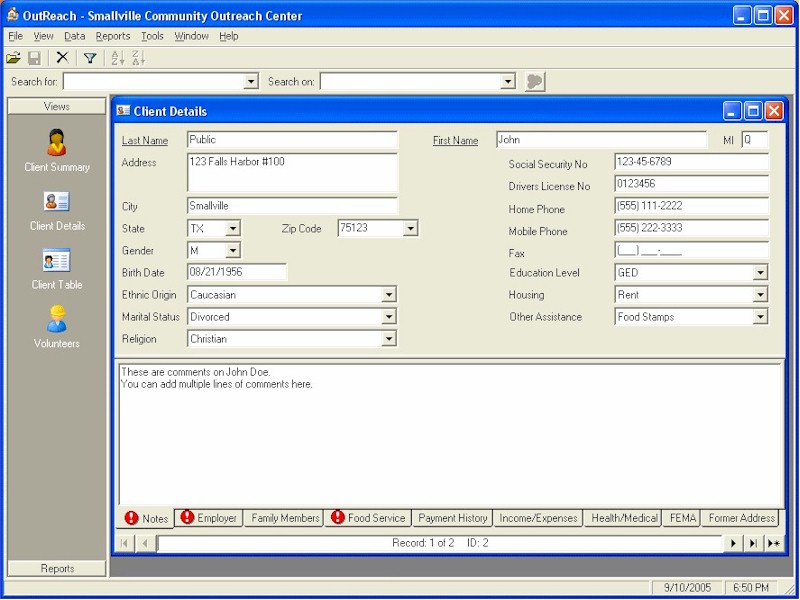
Apple Database Apps
We have a list of common problems in the troubleshooting section in the documentation.
For general questions concerning PostgreSQL, have a look at the official PostgreSQL documentation.
If you have a question concerning Postgres.app that is not answered by the Postgres.app documentation,you can ask @PostgresApp on Twitter, or open an issue on GitHub.
When reporting bugs, let us know which version of Postgres.app & macOS you are using, and be sure to include detailed error messages, even if your issue seems similar to another one.
License
Postgres.app, PostgreSQL, and its extensions are released under the PostgreSQL License. The released binaries also include OpenSSL (OpenSSL License), PostGIS (GPLv2), and plv8 (3 clause BSD).
Postgres.app is maintained by Jakob Egger. It was originally created by Mattt Thompson.